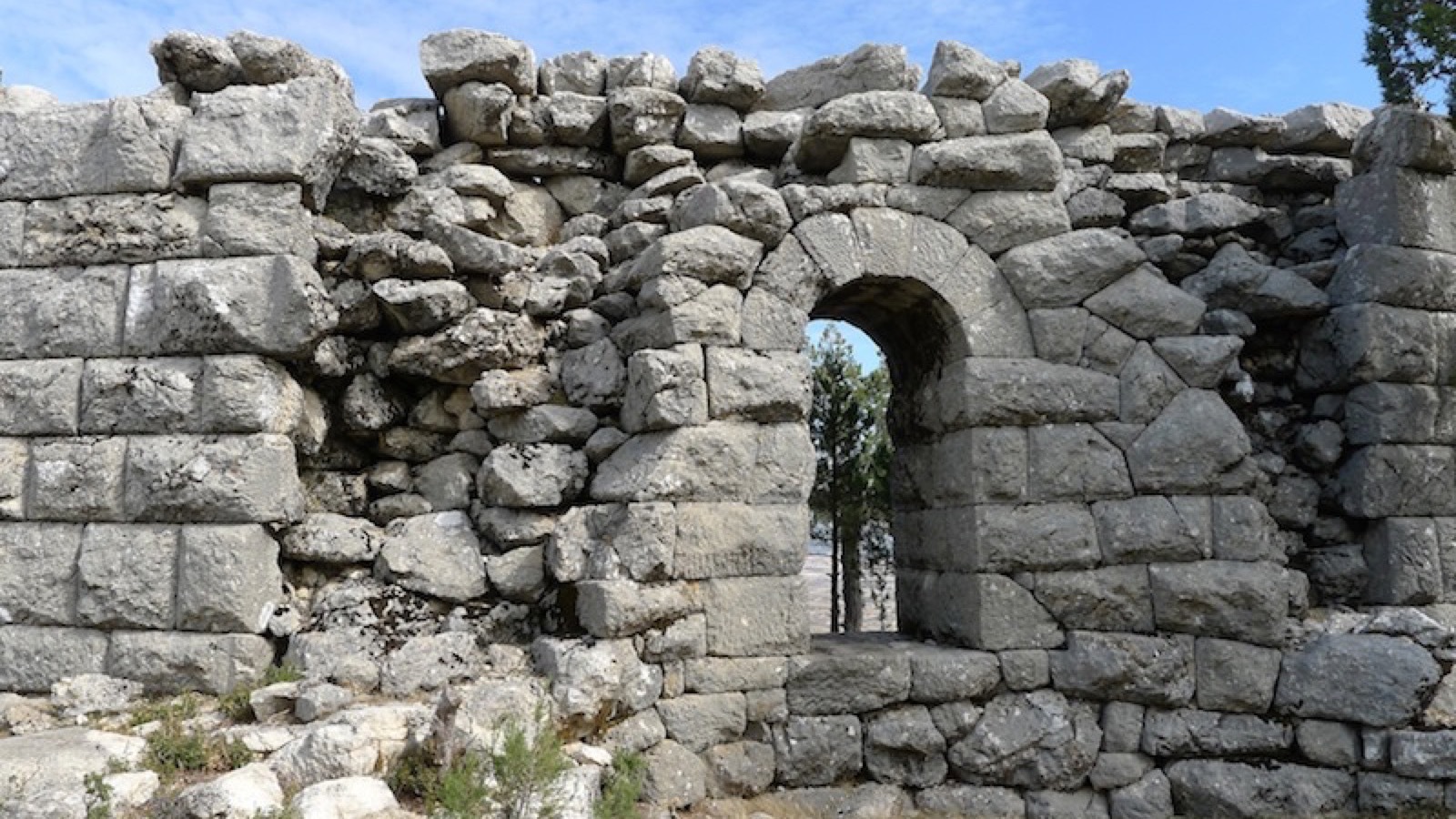
About Oenoanda
Near İncealiler, Oenoanda occupies a high mountain plateau and is known for one of antiquity's longest philosophical inscriptions. The Epicurean Diogenes had his teaching carved on a public stoa to make philosophy accessible to the community.
History
In Hellenistic times, Oenoanda formed a tetrapolis with Kibyra, Balbura and Boubon, later joining the Lycian League and Roman provincial system. Controlling mountain routes, it developed a theatre, baths, agora and funerary monuments under Rome. In the second century CE, Diogenes commissioned the Epicurean text on large stone blocks. Many were later reused in other buildings. The settlement became a bishopric in late antiquity before eventual abandonment.
Highlights and principal structures
- Blocks of Diogenes's philosophical inscription
- Theatre
- Agora and stoas
- Bouleuterion
- Baths
- City walls
- Funerary monuments
Historical period
Hellenistic–Roman