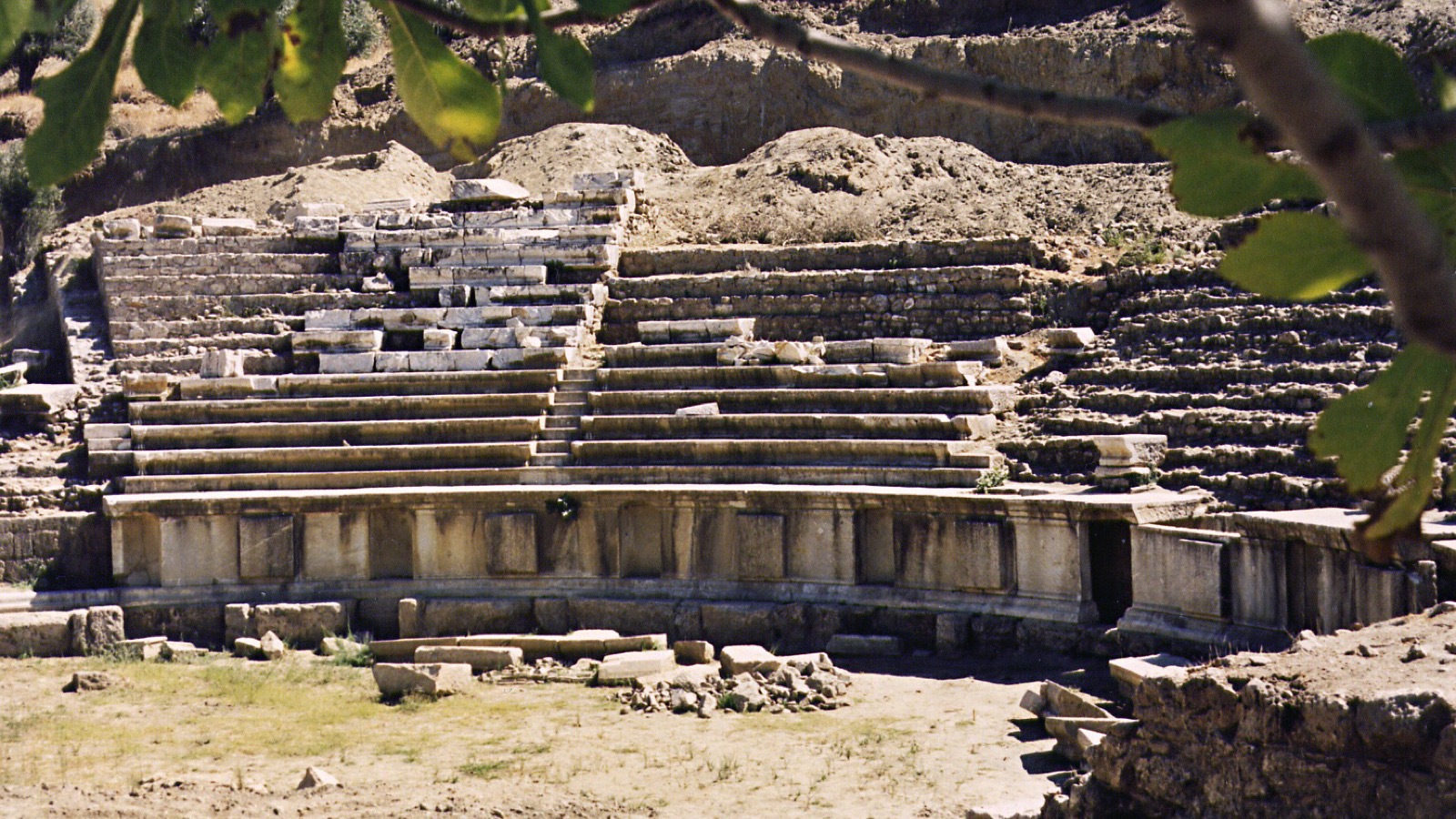
About Magnesia ad Maeandrum
Near Germencik, Magnesia ad Maeandrum controlled routes through the Maeander valley and was known for monumental sanctuaries. The Temple of Artemis Leucophryene, attributed to Hermogenes, its broad agora and large stadium convey the city's architectural ambition.
History
Ancient tradition credits Magnetes from Thessaly with its foundation at an earlier location; it moved to the present site around the fourth century BCE. Reorganised under the Seleucids and then Pergamon, it became a regional centre around the cult of Artemis Leucophryene. Roman privileges supported growth, reflected in its agora, stadium, theatre and temples. Flooding and sediment from the Maeander affected occupation. Defence and religious buildings became more prominent as the city contracted in Byzantine times.
Highlights and principal structures
- Temple of Artemis Leucophryene
- Stadium
- Agora
- Temple of Zeus Sosipolis
- Theatre
- City walls
Historical period
Hellenistic–Roman