About Samsat
Ancient Samosata on the Euphrates was Commagene's capital and an important Roman eastern frontier centre. Its mound and lower town are now beneath the Atatürk Dam reservoir; rescue excavations documented their architecture and art.
History
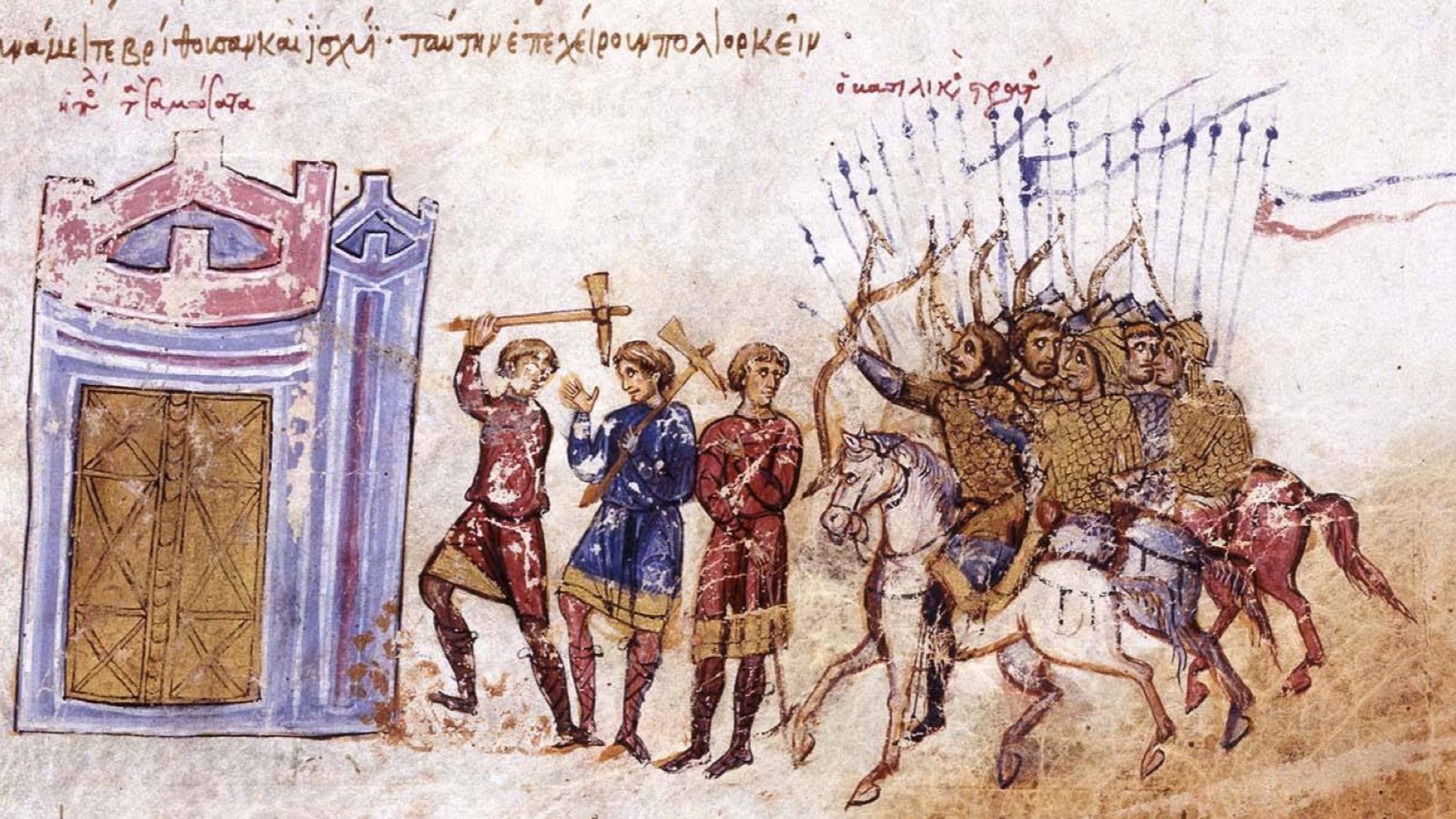
Samosata's past extends into prehistory. It became the political centre of the Commagene dynasty in Hellenistic times. Control of a Euphrates crossing gave it military and commercial value. After Rome annexed Commagene, it developed as a legionary base and frontier city. The writer Lucian was born here. Its fortress and regional role continued under Byzantine and Islamic rule. Much of old Samsat was submerged following rescue excavations in the 1980s.
Highlights and principal structures
- Samsat mound
- Commagene palace and urban remains
- Roman defences
- Mosaics and wall paintings
- Necropolis
- Rescue-excavation finds
Historical period
Hellenistic–Roman–Byzantine