About Laodikeia
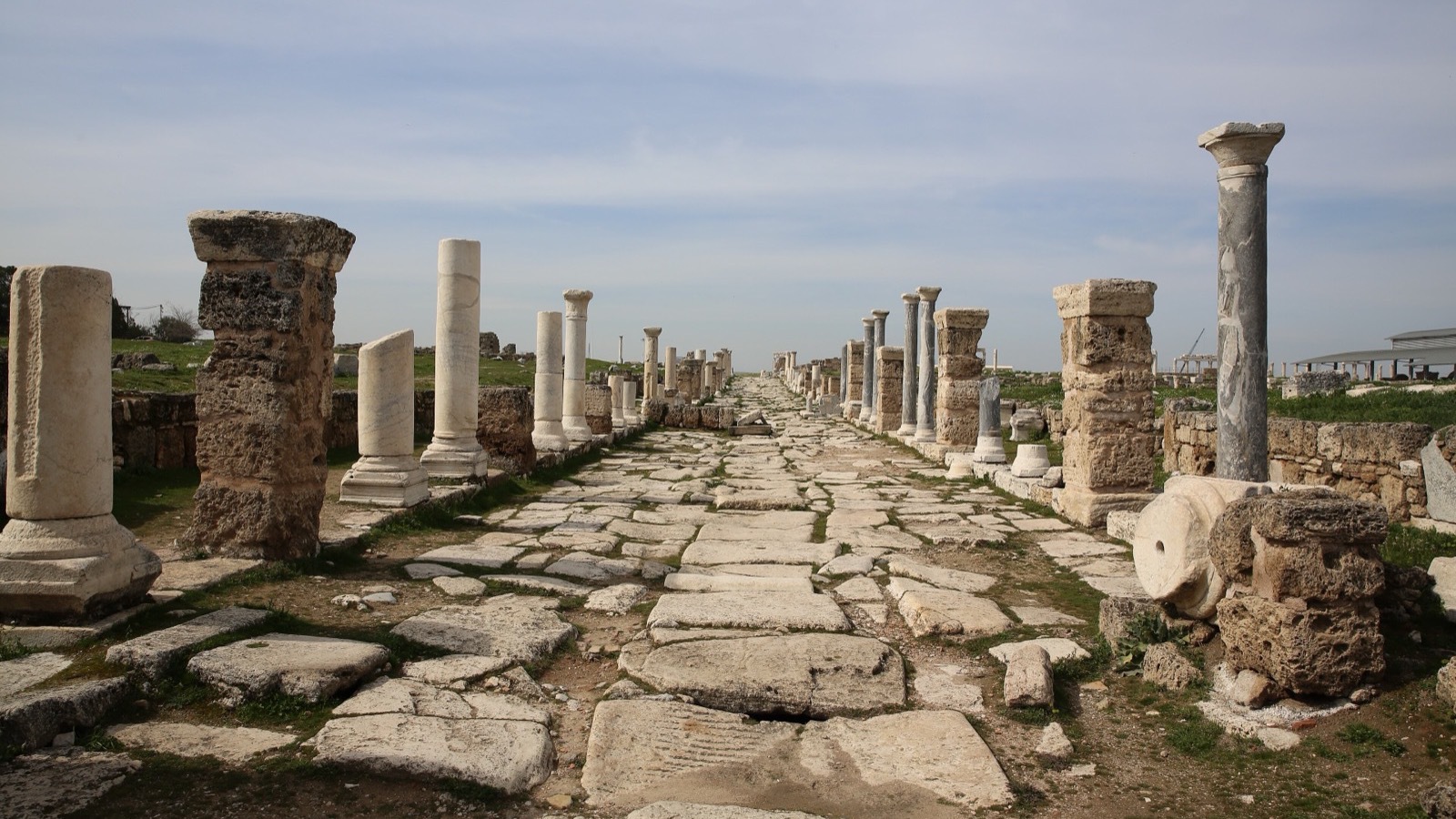
Overlooking the Denizli Plain, Laodikeia was a large Roman city enriched by textiles and trade along the Lycus valley routes. Syria Street, stadium, theatres, fountains and early Christian buildings still convey the settlement's scale.
History
Antiochus II founded Laodikeia in the mid-third century BCE and named it for his wife Laodice. A crossroads location, fine wool and banking supported Roman prosperity. Its association with one of the Seven Churches in the New Testament gives it particular importance in early Christian history. Rebuilt repeatedly after earthquakes, the city contracted following a major seventh-century CE earthquake and regional insecurity. Excavations are uncovering its streets and church complexes as an integrated urban landscape.
Highlights and principal structures
- Church of Laodikeia
- Syria Street
- Western and Northern theatres
- Stadium
- Monumental fountains
- Bath-gymnasium complexes
Historical period
Hellenistic–Roman–Byzantine