About Zeugma
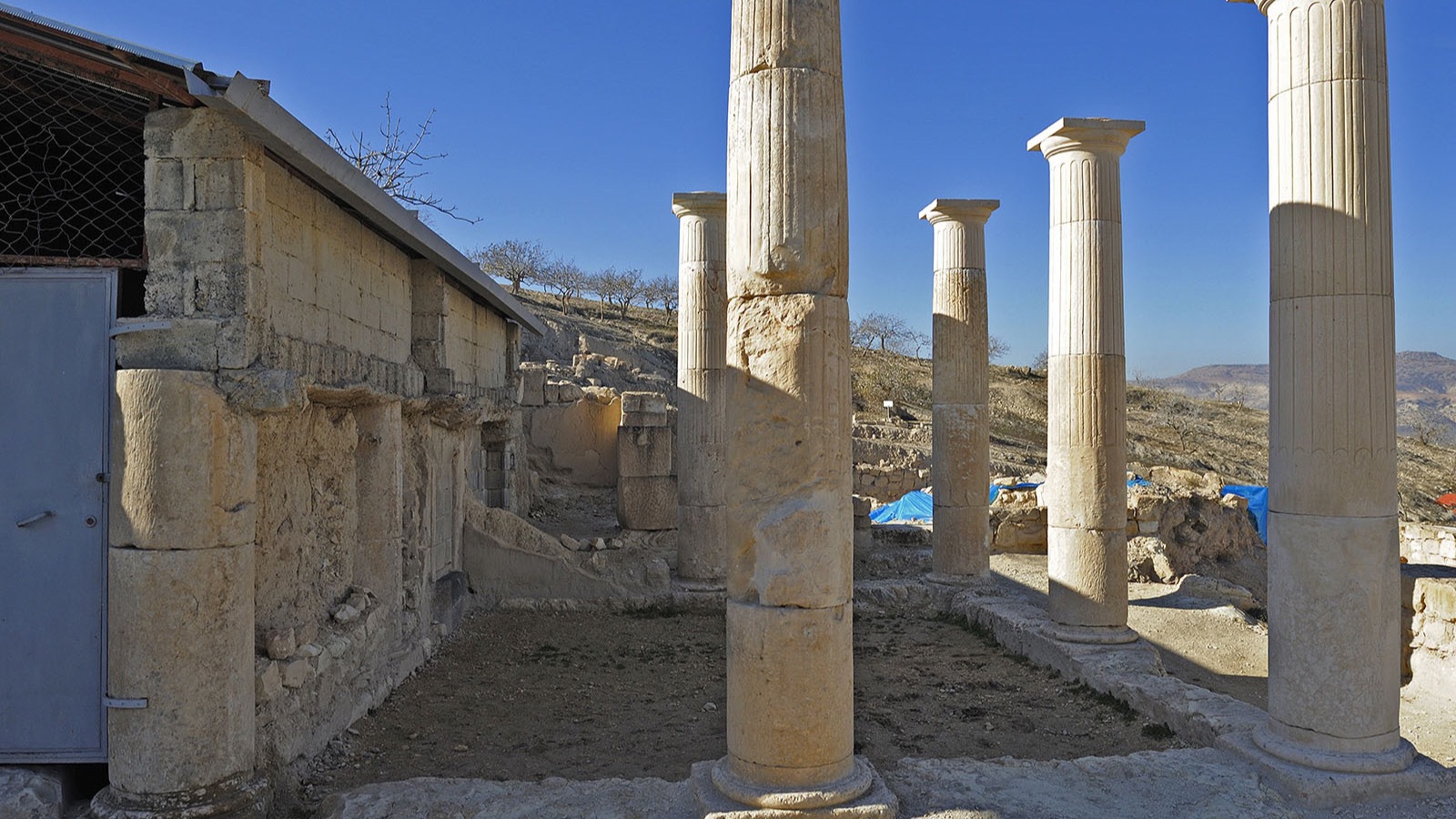
On the Euphrates, Zeugma is internationally known for finely crafted mosaics from Roman villas. Despite partial submergence by the reservoir, terrace houses, rock sanctuaries and rescued finds reveal frontier trade and cosmopolitan life.
History
Around 300 BCE, Seleucus I founded Seleuceia and Apamea on opposite banks of the Euphrates. The name Zeugma, associated with a bridge or crossing, reflects the river's strategic role. A Roman legionary base and customs point for east–west trade, it prospered; elite houses received mosaics and frescoes. The Sasanian attack of 253 CE caused major destruction. Rescue excavations before the Birecik Dam documented many buildings and mosaics, with finds preserved in Gaziantep's Zeugma Mosaic Museum.
Highlights and principal structures
- House of the Muses
- Houses of Dionysus and Danae
- Mosaic-decorated Roman villas
- Mithraeum
- Necropolis
- Euphrates crossing and harbour area
Historical period
Hellenistic–Roman