About Harran
On routes connecting Mesopotamia with Anatolia and the Mediterranean, Harran preserves millennia of settlement through its mound, walls, Great Mosque and traditional conical-roofed houses. Its history ranges from the cult of the moon god Sin to medieval scholarship.
History
Harran appears in cuneiform records of the second millennium BCE. The temple of Sin gave it major religious importance under the Neo-Assyrian and Neo-Babylonian states. It remained strategic on the Roman–Sasanian frontier. In the Islamic period it served as the administrative centre of the Umayyad caliph Marwan II; scholars associated with translation, astronomy and mathematics emerged in Abbasid times. The Great Mosque and castle belong to the medieval city, whereas the domed houses represent more recent local architecture.
Highlights and principal structures
- Harran mound
- Great Mosque
- Castle
- City walls and gates
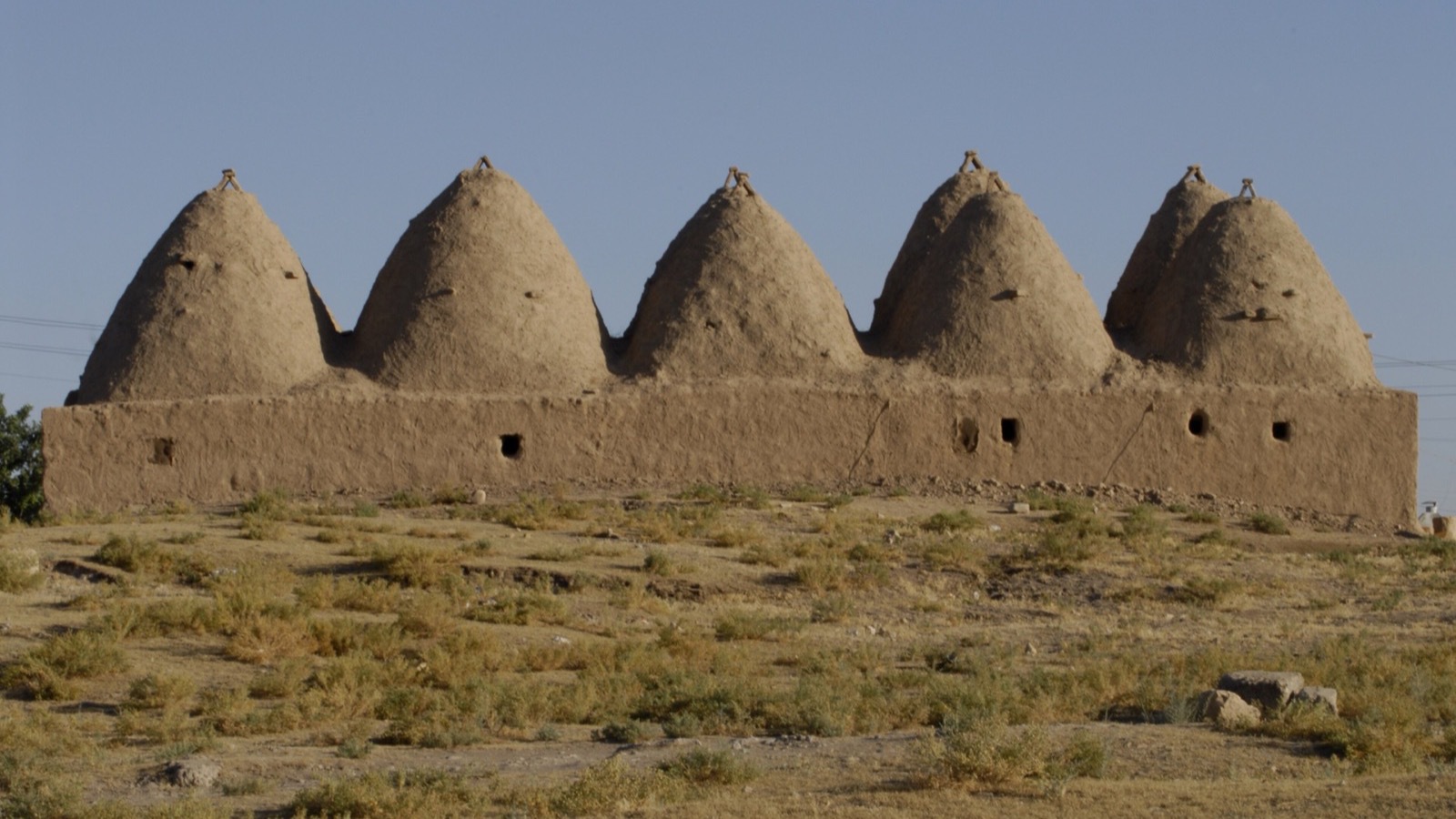
- Conical-roofed houses
- Sin temple research area
Historical period
Bronze Age–Roman–Medieval