About Hadrianopolis
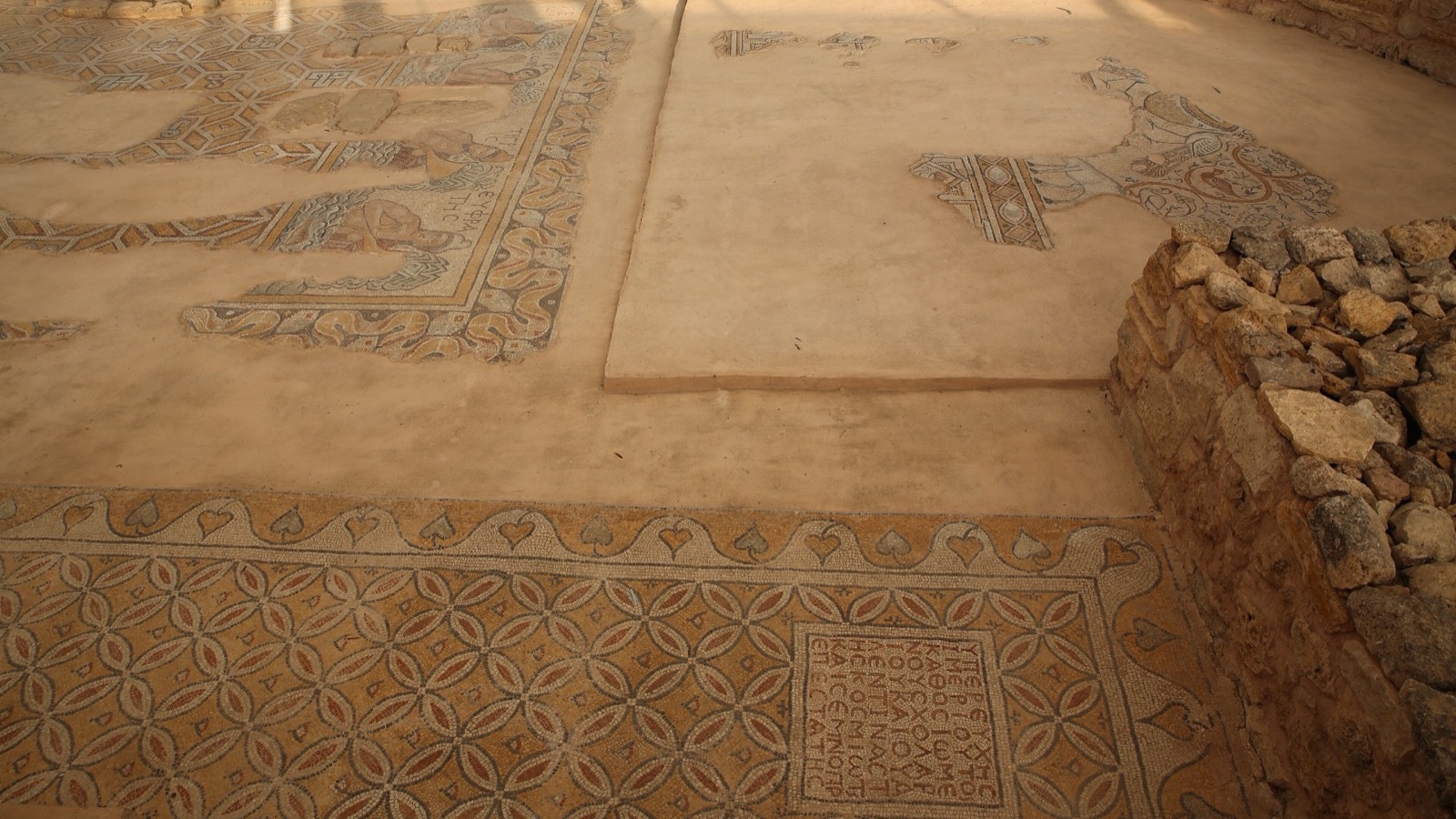
Near Eskipazar, Hadrianopolis is a Paphlagonian archaeological site known for mosaics with deer, peacocks and Nile imagery in late antique churches. Baths, houses and tombs add to the history of a long-lived regional centre.
History
The settlement has Hellenistic roots and is thought to have been reorganised under Hadrian, receiving its civic name and status. Its position on roads and agricultural surroundings supported Roman growth. Richly mosaicked churches were built in the fifth and sixth centuries CE, when it was a bishopric. Mosaic inscriptions identify donors and illuminate religious life. Excavations examine city limits, baths, defences and rural connections.
Highlights and principal structures
- Mosaics of Churches A and B
- Church of the Four Rivers
- Roman bath
- Late antique houses
- Rock-cut tombs
- Traces of walls
Historical period
Roman–Byzantine