About Arslantepe
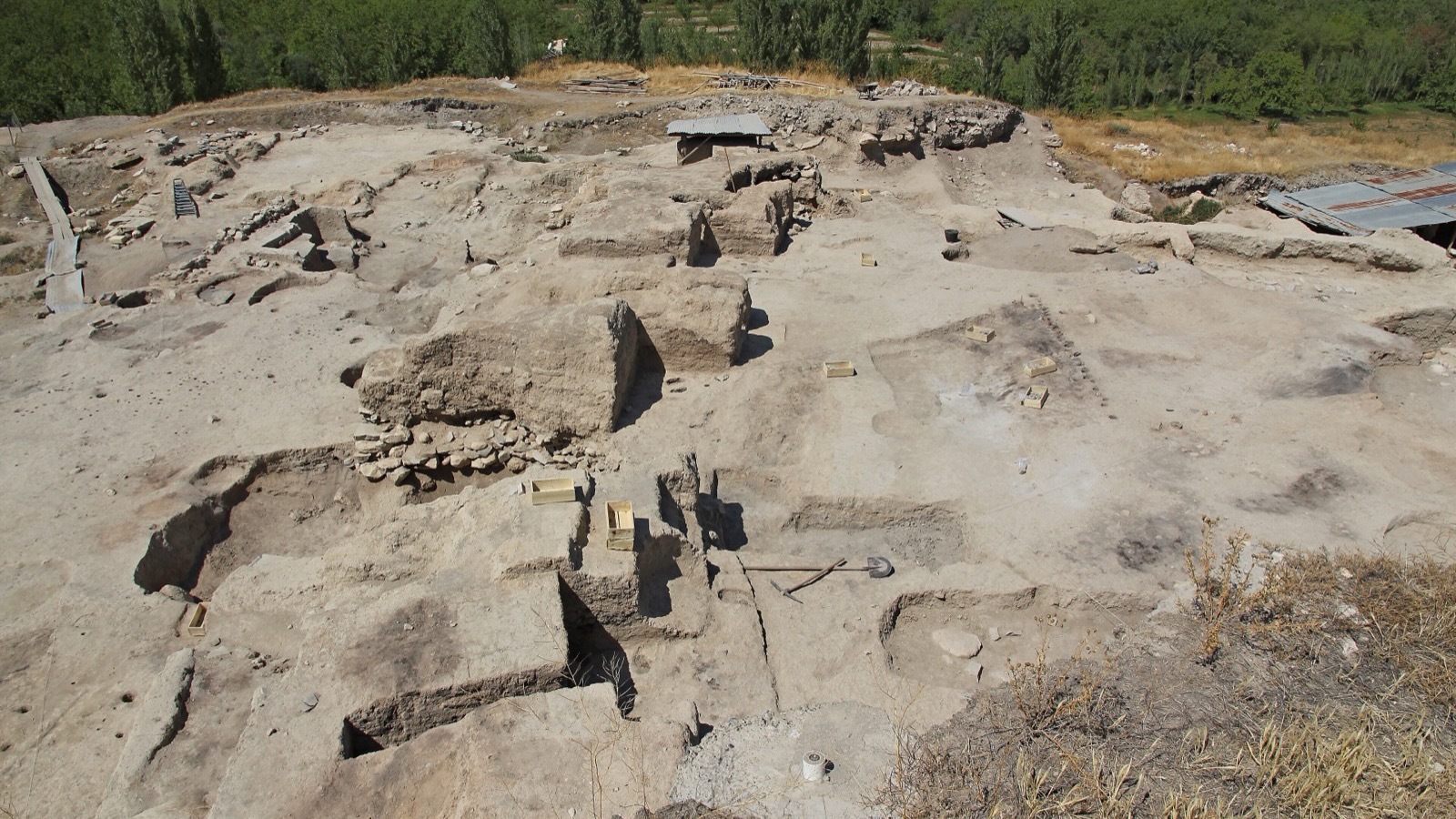
At Malatya, Arslantepe's late fourth-millennium BCE mudbrick palace, sealings and early metal weapons provide important evidence for emerging state organisation. Administrative buildings with wall paintings reveal the centralisation of production and distribution.
History
Arslantepe was occupied from the sixth millennium BCE to the Middle Ages. The palace complex, dating approximately to 3300–3000 BCE, contains storerooms, ceremonial rooms and thousands of seal impressions documenting early bureaucracy. Different communities occupied the mound in later periods. In the Iron Age, as part of the Neo-Hittite centre of Melid, it acquired a monumental gateway with stone lions and reliefs. Arslantepe was inscribed on the UNESCO World Heritage List in 2021.
Highlights and principal structures
- Mudbrick palace complex
- Wall paintings
- Storage and sealing areas
- Early swords
- Neo-Hittite gateway
- Lion and ruler reliefs
Historical period
Chalcolithic–Bronze Age–Iron Age