About Antandros
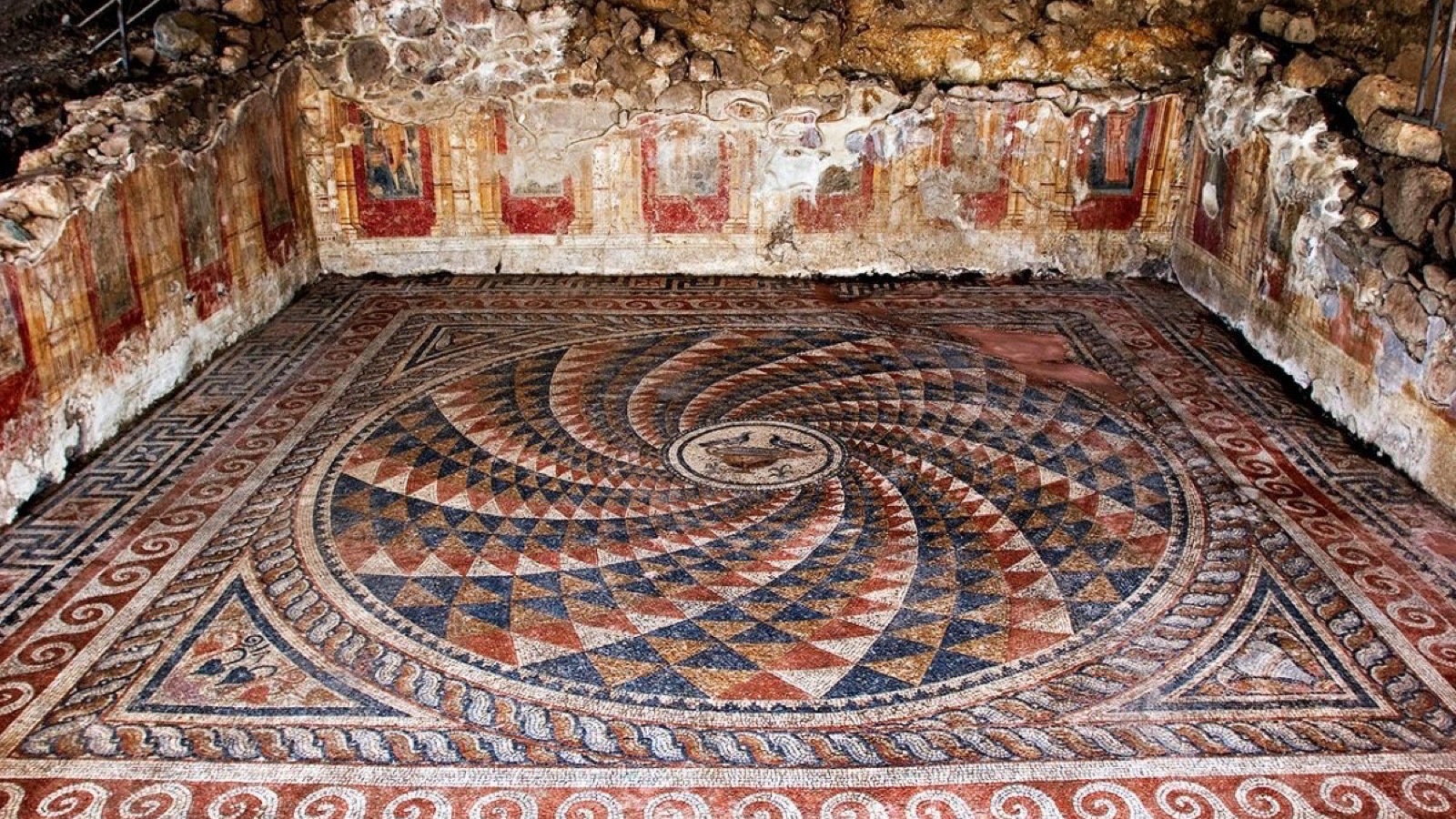
On the southern slopes of Mount Ida, Antandros developed where the Edremit Gulf's coastal route met mountain passes. Near Altınoluk, its Roman villa with colourful mosaics and wall paintings, together with a rich necropolis, offers a detailed view of life between the Troad and Mysia.
History
Ancient writers offered different accounts of Antandros's origins. Settlement is evident by the first half of the first millennium BCE. Maritime trade, timber and roads into Mount Ida increased its economic value. Occupied under Persian rule, the Delian League, Hellenistic kingdoms and Rome, it expanded with coastal residences in the imperial period. Excavations have revealed burial traditions from the seventh century BCE into Roman times and mosaics in an elite fourth-century CE residence. Virgil's Aeneid also associates Antandros with the place where Aeneas prepared his fleet.
Highlights and principal structures
- Roman villa known as the Terrace House
- Mosaic and fresco rooms
- Necropolis
- Traces of city walls
- Residential and workshop areas
Historical period
Archaic–Roman